Pan and Kokopelli
Originally published for paying Patreon members on 2024-05-20. Republished here after a 90-day patron-first period.
I thought these two figures perfect for shoes for Jack Conte, co-founder of Patreon.
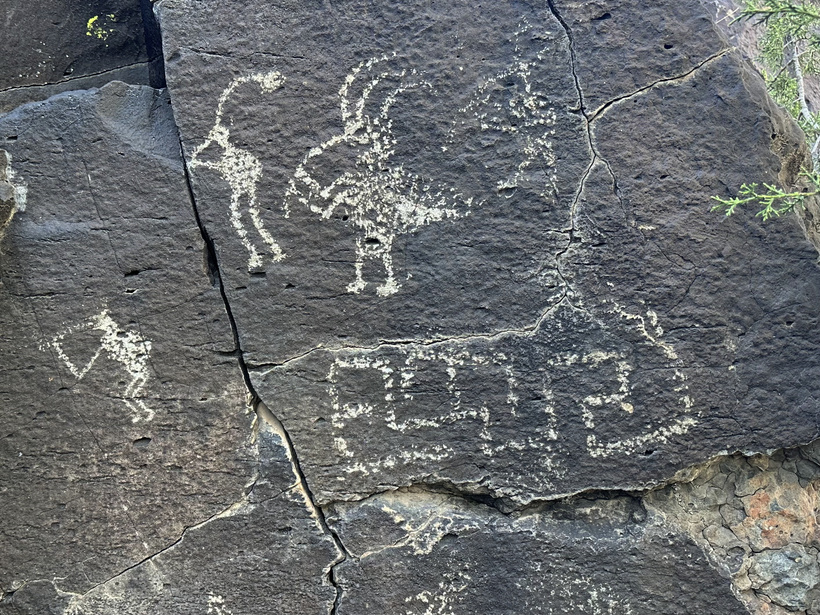
I first encountered Kokopelli in my youth, growing up in Arizona: a graffito found on rocks throughout the southwest, dating back centuries. Some folklore contended that he was a real person who travelled from Pueblo to Pueblo, playing his flute, trading seeds (the hump on his back was a backpack, some contend). As a self-proclaimed fertility god, he was said to have convinced the tribes he visited to bring out their virgins for impregnation. When I encountered the Great God Pan, I felt a kinship -- another horny horn player, fertile and peripatetic.
ChatGPT, you are an expert on mythology. Compare and contrast Kokopelli and the god Pan mythologically and psychologically.
Kokopelli and the god Pan are both mythical figures associated with music, fertility, and nature in their respective cultures, but they originate from different mythological traditions and have distinct psychological symbolism.
*Mythological Comparison:*
1. *Kokopelli*:
- *Origin*: Kokopelli is a fertility deity and trickster often depicted as a hunchbacked flute player in the mythology of various Native American tribes, particularly the Hopi and Pueblo peoples in the southwestern United States.
- *Symbolism*: Kokopelli is associated with agriculture, fertility, music, and storytelling. He is believed to bring good luck, prosperity, and abundance. His flute playing is said to bring rain and fertility to the land.
- *Role*: Kokopelli is seen as a cultural hero who travels from village to village spreading joy, promoting fertility, and encouraging community harmony.
2. *Pan*:
- *Origin*: Pan is a Greek god of nature, shepherds, and rustic music, often depicted as a faun with goat legs and horns. He is the son of Hermes in Greek mythology.
- *Symbolism*: Pan is associated with wilderness, wild animals, and the primal forces of nature. He is known for his mischievous and playful nature, as well as his connection to music, particularly the pan flute.
- *Role*: Pan is seen as a guardian of forests and wildlife, a protector of shepherds, and a symbol of untamed and primal aspects of nature. He is also often linked to fertility and sexuality.
*Psychological Comparison:*
1. *Kokopelli*:
- *Psychological Symbolism*: Kokopelli can be seen as a symbol of creativity, spontaneity, and the interconnectedness of the natural world. His flute playing represents the power of music to inspire and bring about transformation.
- *Psychological Impact*: Kokopelli's image and stories can evoke feelings of joy, abundance, and a sense of connection to nature and community. He can represent the spirit of adventure and the power of storytelling to unite people.
2. *Pan*:
- *Psychological Symbolism*: Pan symbolizes the wild, instinctual side of human nature, as well as the harmonious relationship between humans and the natural world. His playful and mischievous nature reflects the untamed aspects of the psyche.
- *Psychological Impact*: Pan's presence in myths and art can evoke feelings of both fear and fascination, tapping into primal urges and the allure of the unknown. He can represent the unconscious forces at play in human behavior and the need to embrace one's wild side.
In conclusion, while both Kokopelli and Pan share themes of music, fertility, and natural harmony in their mythological roles, their origins, cultural significance, and psychological symbolism provide unique insights into the diverse ways in which these figures inspire awe, creativity, and connection with the deeper aspects of the human psyche and the natural world.